
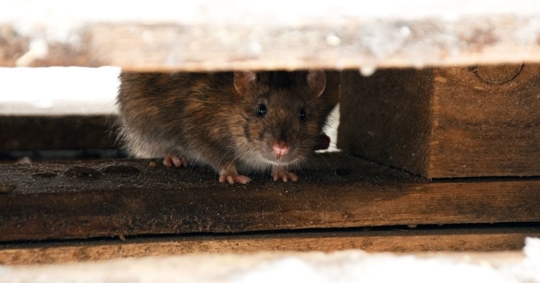
When temperatures drop along the South Shore, mice and rats aren't just looking for a warm place to rest—they're actively searching for shelter that can sustain them through the coldest months. Your home offers everything these unwelcome guests need: warmth, protection from predators, and easy access to food and water. Unfortunately, their winter survival instincts can lead to serious structural problems that many Plymouth-area homeowners don't discover until significant damage has already occurred.
Don't wait for visible damage to appear. If you've noticed signs of rodent activity in your home, contact our team online or call (781) 746-7393 today to schedule an inspection and protect your property.
Why Rodents Target Your Home During Winter
Rodents face harsh conditions during New England winters, and your home represents an ideal refuge. As outdoor temperatures plummet and natural food sources become scarce, mice and rats instinctively seek indoor environments where they can survive and even reproduce throughout the season.
South Shore homes are particularly vulnerable during winter months. The combination of older housing stock in communities like Plymouth, Kingston, and Duxbury—along with wooded areas that border many residential neighborhoods—creates perfect conditions for rodent invasions. These pests can squeeze through openings as small as a quarter-inch, meaning even well-maintained homes can become targets.
Once inside, rodents don't simply nest in one spot. They explore your entire home, searching for optimal nesting locations and reliable food sources. This exploration leads them through walls, attics, basements, and crawl spaces—areas where their presence often goes unnoticed until damage becomes extensive.
The Hidden Damage Rodents Cause to Your Home's Structure
Gnawing and Chewing Destruction
Rodents must constantly gnaw to keep their ever-growing teeth at manageable lengths. This biological need drives them to chew on virtually any material they encounter in your home. Wood framing, support beams, floor joists, and even concrete can fall victim to persistent gnawing.
The structural components of your home are especially at risk. Mice and rats will chew through wooden studs and beams, weakening the framework that supports your walls and floors. Over time, this damage can compromise the structural integrity of entire rooms or sections of your house. What starts as minor surface damage can evolve into serious stability issues that require costly repairs.
Electrical System Hazards
One of the most dangerous aspects of rodent infestations involves their attraction to electrical wiring. Rodents frequently chew through wire insulation, exposing live electrical conductors. This creates immediate fire hazards within your walls—places where you can't see the damage developing.
According to pest control and fire safety experts, rodents contribute to a significant percentage of house fires with unknown causes. The damaged wiring can spark, smolder, or create short circuits that ignite surrounding insulation and wooden framing. These fires often start in wall cavities or attic spaces where they can spread undetected before smoke alarms alert you to danger.
Insulation Compromise
Your home's insulation serves a critical function in maintaining comfortable temperatures and controlling energy costs. Rodents destroy this insulation in multiple ways. They tear it apart to build nests, compact it down as they travel through it, and contaminate it with urine and droppings.
Damaged insulation loses its effectiveness, forcing your heating system to work harder during winter months. You'll notice higher energy bills as warm air escapes through areas where insulation has been compromised. Beyond the financial impact, contaminated insulation can pose health risks and may require complete replacement rather than simple repair.
Specific Areas Vulnerable to Rodent Damage
Attics and Roof Structures
Attics provide ideal nesting environments for rodents—they're warm, quiet, and rarely disturbed. Once established in your attic, mice and rats will:
- Chew through roof sheathing and fascia boards
- Damage attic ventilation systems
- Destroy stored items and holiday decorations
- Contaminate attic insulation with waste materials
- Create entry points that allow water infiltration
Water damage often follows rodent damage in attic spaces. When rodents gnaw holes in your roof structure or around vents, they create pathways for rain and snow to enter. This moisture leads to wood rot, mold growth, and further structural deterioration.
Basements and Foundations
Rodents commonly enter homes through basement areas, where foundation cracks and utility penetrations offer easy access. Once in your basement, they can cause extensive damage to important home systems.
Exposed pipes, ductwork, and utility lines in basements become targets for gnawing. Rodents have been known to puncture water pipes, damage HVAC ducts, and chew through flexible gas lines. Each of these scenarios creates potentially dangerous situations that require immediate professional attention.
Wall Cavities and Behind Cabinets
The spaces inside your walls provide protected highways for rodents to travel throughout your home. Within these hidden areas, they build nests using insulation, paper, fabric, and other materials they gather. The nesting process involves extensive chewing and clawing that damages interior wall structures.
Kitchen and bathroom walls are especially vulnerable because plumbing penetrations create entry points into wall cavities. Rodents often nest near water sources, and their presence behind cabinets can go unnoticed for months while damage accumulates.
Warning Signs of Structural Rodent Damage
Catching rodent problems early can prevent extensive structural damage. Watch for these indicators that rodents may be affecting your home's structure:
Visual and auditory clues:
- Scratching or scurrying sounds within walls, especially at night
- Droppings near baseboards, in cabinets, or in storage areas
- Gnaw marks on wood, plastic, or food packaging
- Grease marks along walls where rodents regularly travel
- Nesting materials visible in attic spaces or stored boxes
Structural and system indicators:
- Unexplained increases in heating costs
- Flickering lights or electrical issues
- Musty odors in specific rooms or areas
- Visible holes or gaps in exterior walls or foundation
- Damaged weather stripping around doors and windows
If you notice any of these signs, it's important to address the situation quickly. Professional pest control services can assess the extent of rodent activity and implement solutions before structural damage becomes severe.
Prevention Strategies to Protect Your Home
Exterior Home Maintenance
Preventing rodent entry is your first line of defense against structural damage. Walk around your home's exterior and look for potential entry points. Pay special attention to areas where utilities enter your house, gaps around window frames, and cracks in your foundation.
Seal openings with appropriate materials. Use steel wool combined with caulk for small gaps, as rodents cannot chew through steel wool. Larger openings may require metal flashing or hardware cloth. Replace damaged weather stripping and ensure door sweeps create tight seals at ground level.
Indoor Housekeeping Practices
Making your home less attractive to rodents reduces the likelihood they'll settle in even if they find a way inside. Store food in sealed containers, clean up spills promptly, and avoid leaving pet food out overnight. Keep storage areas organized and avoid cluttering spaces with cardboard boxes that rodents can easily nest in.
Regularly inspect areas where rodents commonly hide. Check behind appliances, in pantries, and around water heaters or furnaces. The earlier you discover signs of rodent presence, the less damage they'll have time to cause.
Seasonal Inspections
Make rodent prevention part of your fall home maintenance routine. Before winter arrives, inspect your home's exterior for new gaps or damage that could provide entry points. Check attic spaces, basement areas, and crawl spaces for signs of rodent activity before cold weather drives pests indoors.
Consider scheduling professional inspections annually. Trained technicians can identify vulnerabilities you might overlook and spot early signs of rodent activity before significant damage occurs.
The Long-Term Cost of Ignoring Rodent Problems
Delaying action on a rodent infestation always costs more in the long run. What might start as a simple exclusion and trapping situation can evolve into a complex problem requiring structural repairs, electrical work, insulation replacement, and extensive cleaning.
Homeowners insurance policies often exclude damage caused by pests, meaning you'll likely pay out-of-pocket for repairs. The cost of repairing chewed electrical wiring, replacing damaged insulation, or fixing compromised structural framing can quickly reach thousands of dollars. These expenses far exceed the cost of preventive measures or early intervention.
Beyond financial considerations, rodent damage can affect your home's resale value. Buyers and home inspectors will notice signs of past rodent activity, and evidence of structural damage can derail sales or force price reductions.
Protect Your South Shore Home from Winter Rodent Damage
Winter rodent infestations pose real risks to your home's structure, safety, and value. Taking action now—whether through preventive measures or addressing existing problems—protects your investment and gives you peace of mind throughout the season. Combat Pest Control understands the unique challenges South Shore homeowners face during winter months, and our team is ready to help you safeguard your property.
Reach out through our online contact form or call (781) 746-7393 to discuss your home pest control needs and schedule a comprehensive inspection.